
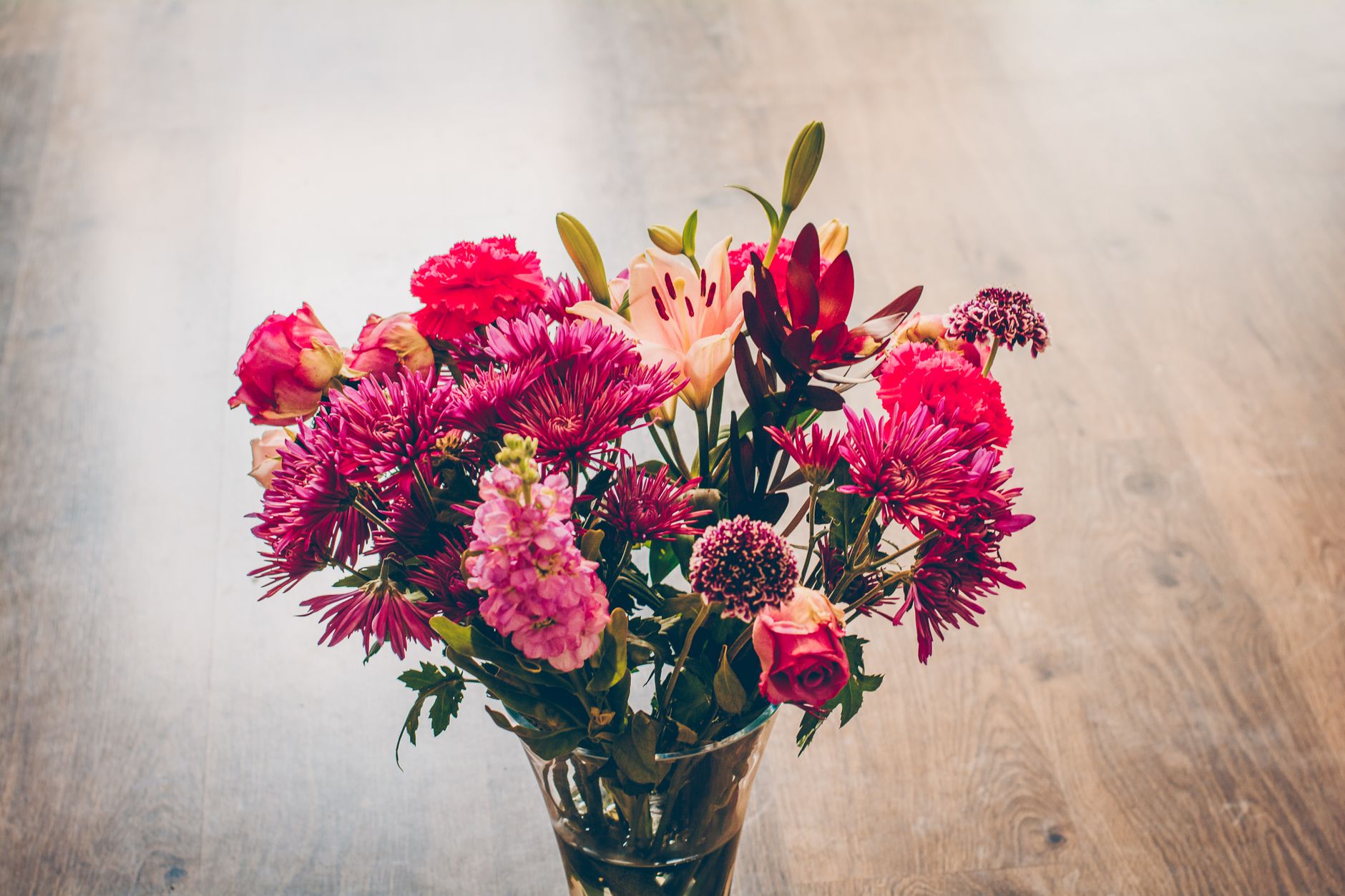
It is a fair question, and one florists rarely answer out loud: when you pay for an arrangement in a vase, how much of the price is the vase? The short version is that a plain glass vase typically adds about $7 to $12 to the price, not a third of the bill. Fancier containers add more. Here is where that number comes from.
🧮 The Math Behind the Number
Florist-supply pricing guides put a basic glass vase at about $2.25 to $4.65 each when a shop buys by the case. Shops then mark up “hard goods” such as vases, ribbon and foam by roughly two to two and a half times, which is how a $3 vase ends up contributing about $7 or $8 to a retail price. Premium or specialty glass can be marked up three times or more, and plenty of shops simply fold the vase into the arrangement price instead of listing it on its own.
These are industry averages, not the books of any one shop, so treat them as a range. The takeaway still holds: if you pay about $65 for a dozen roses in a vase, the vase is a modest part of that, and most of the rest is the flowers, the greenery and the work of putting them together. The flowers carry the larger markup because fresh product spoils and shrinks before it sells.
🏺 What Pushes the Vase Cost Up
- Size. A tall, wide vase for two dozen stems costs more than a small cube, and it needs more flowers to look full.
- Material. Ceramic pots, ginger jars and planters usually cost more than plain glass.
- Shape and finish. Colored, frosted or hand-finished glass is a premium item.
- Keepsake pieces. A vase meant to be kept and reused is priced as a gift in itself.
In our own gallery you can see the range. A dozen red roses with greenery in a standard glass vase is listed at $64.99 as we write this in November 2026, while a medium spring arrangement in a ginger jar is listed at $49.99. The prices are for the whole arrangement, and the vase is not itemized, so use them as a feel for the market rather than as a breakdown.
✅ Why the Vase Usually Earns Its Place
- It arrives ready. The flowers are already arranged, at the right height, and standing in water the moment they are set down. Nobody has to hunt through a cupboard for a vase while the stems wilt.
- It protects the flowers. A vase sized for the stems holds enough water and keeps heavy heads from flopping, so the bouquet lasts longer.
- It saves a purchase. A basic vase bought separately is not free either, and you skip the trip to find one.
- It gets a second life. A clear glass vase is the one container every home eventually needs.
🤷 When It Is Not Worth Paying For
Not every gift needs one. If you know the recipient has a closet of vases, or you are sending to an office where a vase will end up in a cupboard, put the money into the flowers instead and choose a simpler container. For a big arrangement, the vase is the smallest part of the cost and rarely the place to save. For a small gift, it can be a larger share of the price, so a small arrangement in a modest glass cube is often the better value than a small one in a premium ceramic piece.
💡 Getting the Most From the Vase
- Top up the water every day or two, since a small vase can empty quickly.
- Recut the stems and change the water fully when it clouds, as our care tips explain.
- Wash the vase with warm soapy water before you reuse it, because bacteria left behind shorten the life of the next bouquet.
- Keep it out of direct sun and away from the fruit bowl.
If you enjoy vases for their own sake, our Eugene shop has a longer look at choosing a vase.