
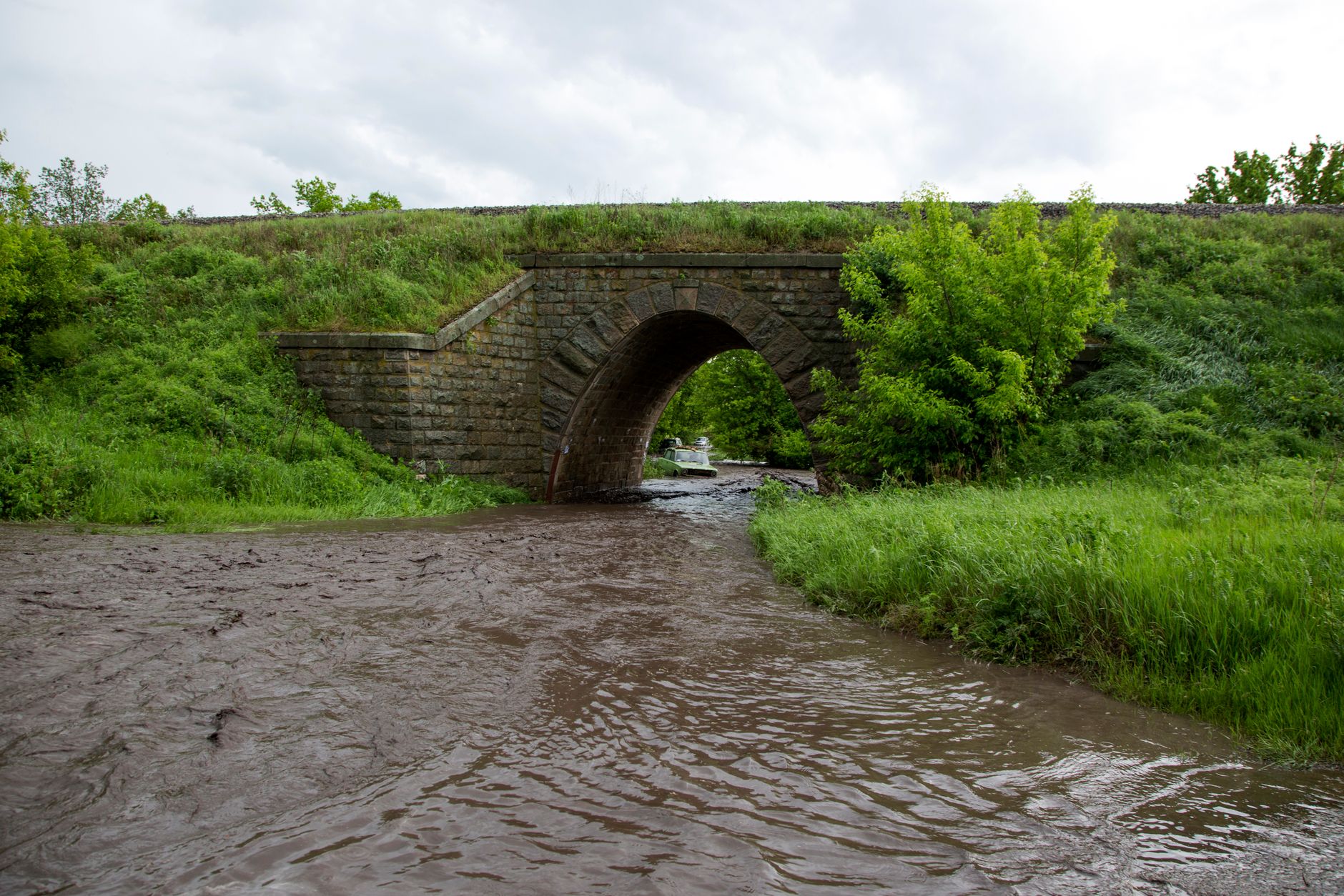
If you spend much time in Tigard, there is a good chance you have crossed Fanno Creek without realizing how much of the city’s landscape and identity it helps shape. It runs quietly through neighborhoods, parks, and green corridors that make suburban Washington County feel greener, softer, and more connected than a quick glance at busy roads and shopping centers might suggest. In some places, the creek feels tucked away and peaceful. In others, it is clearly part of a larger urban system managing runoff, habitat, trails, and floodplain land.
For flower lovers, gardeners, walkers, and anyone who appreciates local nature, Fanno Creek is especially worth noticing. Its banks and surrounding parks can offer seasonal bloom, riparian greenery, wetland plants, flowering shrubs, and some of the most pleasant urban nature moments in the Tigard area. So if you have been wondering how big Fanno Creek is, where it goes, what its history is, and whether there are good opportunities to see flowers nearby, here is a local guide in a framework very similar to the Amazon Creek piece.
📏 How Big Is Fanno Creek?
Fanno Creek is not a major river, but it is a very important tributary and watershed corridor in the southwest Portland metro area. The creek itself runs for roughly 15 miles, and the larger Fanno Creek watershed drains a broad patchwork of urban and suburban land across several communities, including parts of Portland, Beaverton, Tigard, and unincorporated Washington County before joining the Tualatin River.
That means Fanno Creek is bigger in practical importance than it may look from any one footbridge or trail segment. In Tigard, it often appears as a modest creek with wooded edges, bends, and floodplain pockets. But hydrologically, it handles runoff from a large developed area. During wet weather, that role becomes much more obvious.
Like many metro-area waterways, Fanno Creek varies a lot by location. Some sections feel surprisingly natural, with tree cover, habitat edges, and boardwalk-style trail experiences nearby. Other stretches show the marks of urbanization — bank stabilization, nearby roads, stormwater inputs, and surrounding residential development. So when people ask how big Fanno Creek is, the best answer is not just length. It is also a matter of regional function. This is one of the defining creeks of the Tigard area and one of the key waterways in the Tualatin basin’s urban edge.
🧭 Where Does Fanno Creek Go?
Fanno Creek begins in the upland and developed areas of southwest Portland and adjacent neighborhoods, gathering water from smaller tributaries, stormwater systems, springs, and runoff across its watershed. From there it winds generally southwest through the metro landscape, passing through Beaverton-area green spaces and into Tigard, where many local residents know it from the Fanno Creek Trail corridor, Dirksen Nature Park, and nearby park systems.
After flowing through Tigard, Fanno Creek continues toward the Tualatin River, which is its receiving waterway. The Tualatin then eventually joins the Willamette River. In short, the water moving through Tigard’s creek corridor is part of a connected regional watershed that links neighborhood rain, wetlands, urban runoff, habitat areas, and major valley rivers.
One reason the route can feel less obvious than a classic mountain stream is that Fanno Creek moves through a highly urbanized setting. It is a real creek with ecological value, but it is also part of a developed stormwater and floodplain system. Trails, parks, culverts, bridges, and surrounding neighborhoods all shape the way people experience it. Even so, the basic story is straightforward: Fanno Creek flows through Tigard and into the Tualatin River, tying local green space to the larger hydrology of the region.
🌍 Indigenous History and the Fanno Creek Landscape
Long before modern subdivisions, arterial roads, and shopping districts, the lands around Fanno Creek were part of the homeland of Native peoples of the Tualatin Valley, especially the Kalapuya, including the Atfalati band associated with this broader region. The valley was not an empty wilderness waiting to be used. It was a lived-in, managed, culturally meaningful homeland with prairies, oak savannas, wetlands, waterways, seasonal food sources, and long-standing ecological knowledge.
Creek corridors like Fanno would have been part of a larger mosaic of wet ground, wooded areas, open prairie, and wildlife habitat. Indigenous stewardship practices, including intentional burning in some landscapes, helped shape the broader valley ecology. Plants, water, and seasonal cycles were woven into daily life in ways that later settler development often failed to recognize or preserve.
That matters because today’s suburban map can make it easy to forget how much of the Tualatin Valley was once defined by wetlands, floodplains, and habitat corridors rather than streets and parking lots. Fanno Creek still carries traces of that older geography. Even when its banks are now bordered by modern development, the creek remains part of a much deeper story tied to Indigenous presence and stewardship long before the arrival of Euro-American settlement.
🏡 Settlers, Agriculture, and a Changing Creek
As Euro-American settlement expanded into the Tualatin Valley in the nineteenth century, waterways like Fanno Creek quickly became part of a different set of priorities. Settlers saw fertile land, but they also saw wet ground, seasonal flooding, and landscape features that could complicate farming, roads, and later suburban development. Throughout the valley, marshes and lowlands were often treated as places to drain, reshape, and convert into more economically useful land.
Fanno Creek was part of that transformation. Over time, the surrounding lands were cleared, farmed, subdivided, roaded, and urbanized. As Tigard and neighboring communities grew, creek-adjacent land became increasingly valuable for transportation corridors, housing, public infrastructure, and parks. Portions of the creek system were altered to support drainage, reduce erosion in key places, and accommodate urban growth.
That pattern is familiar across the Pacific Northwest: settlement near water first, then increasing modification of that water as towns become suburbs and suburbs become metropolitan corridors. In the case of Fanno Creek, the result is a waterway that still feels green and local, but one shaped heavily by the history of land conversion, engineering, and floodplain management.
Modern restoration and conservation efforts in the broader basin reflect a newer understanding. Instead of seeing urban creeks only as drainage problems, communities now value them as habitat corridors, trail anchors, floodplain assets, and places where people can reconnect with the natural side of where they live. Fanno Creek is very much part of that more modern outlook.
🌧️ Why Fanno Creek Matters During Rainy Season
Anyone familiar with western Oregon winters knows that creek systems become much more than scenic features once the rain really sets in. Fanno Creek plays a major role in moving water through a highly developed watershed. Streets, rooftops, parking lots, and compacted urban soils all change how quickly rainfall becomes runoff, and that puts pressure on local waterways.
Fanno Creek has a well-known relationship to floodplain conditions, especially in low-lying park and neighborhood areas. In very wet periods, nearby paths or parklands can become muddy or inundated, reminding everyone that a creek still wants room to spread out. That floodplain function is not a flaw; it is part of how the landscape works. The challenge in urban planning is making space for that reality while protecting homes, roads, and public infrastructure.
This is one reason some of the green space along Fanno Creek feels so valuable. Parks, open areas, and restored habitat patches are not just pretty. They also give the waterway room to behave more like a creek and less like a trapped drainage ditch. That balance — between human use, flood management, and ecological health — is central to understanding Fanno Creek in Tigard.
🌿 Can You See Flowers Along Fanno Creek?
Yes, absolutely — and in many stretches, more easily than along some more heavily engineered urban waterways. Fanno Creek is not a single formal flower destination, but the creek corridor and its adjacent parks offer genuine opportunities to enjoy seasonal bloom, flowering shrubs, wetland plants, riparian greenery, and pollinator-friendly pockets, especially from spring into early summer.
The best flower viewing usually happens where the creek overlaps with trails, nature parks, wetlands, and maintained green spaces. You are less likely to find one giant uninterrupted wildflower spectacle and more likely to discover a series of pleasant moments: native bloom near a wetland edge, ornamental plantings near a trailhead, flowering trees in adjacent park zones, or butterflies working through a sunny garden patch beside the creek corridor.
Along and near Fanno Creek, visitors may notice things like:
- Flowering shrubs and ornamental plantings near trailheads, parks, and neighborhood access points
- Native wet-area and riparian plants that add subtle seasonal color and habitat value
- Pollinator-friendly garden spaces in select park areas and community-facing green zones
- Spring meadow and edge bloom in sunnier open areas near the corridor
- Flowering trees and landscaped seasonal color in nearby public spaces that visually extend the creek experience
For flower lovers, Fanno Creek is best enjoyed as a green corridor experience rather than a single fixed bloom display. Walk slowly, notice the edges, and pay attention to transitions between wetland, woods, lawn, and planted park space. That is where much of the beauty lives.
🚶 Best Places to Explore Fanno Creek in the Tigard Area
If you want to experience Fanno Creek in a way that feels pleasant, local, and flower-friendly, several spots stand out.
Fanno Creek Trail is the obvious starting point. It lets you experience the creek as a connected public landscape rather than a hidden drainage line behind development. Walking or biking sections of the trail gives you access to trees, creek crossings, wetland views, and seasonal vegetation that changes nicely over the year.
Dirksen Nature Park is one of the best places to appreciate the creek’s more natural character. With wetlands, habitat edges, and a quieter feel than some busier recreational spaces, it offers a good chance to notice birds, amphibian habitat, layered vegetation, and seasonal bloom in a setting that feels surprisingly tucked away for suburban Tigard.
Cook Park, while more often associated with the Tualatin River, also connects well to the broader Fanno Creek recreational experience through trail systems and nearby green corridors. It is a good place to think about how Tigard’s parks, waterways, and floodplain landscapes fit together rather than treating each one as totally separate.
If flowers are your focus, spring is ideal. A mild day from late March into June often brings the best mix of fresh foliage, bloom, birdsong, and walkable conditions. Some floral moments are subtle rather than showy, so patience helps. Fanno Creek rewards people who are willing to pay attention.
🌼 What Kinds of Flowers or Bloom Might You Notice?
That depends on where you go and when. In early spring, flowering trees and ornamental shrubs in nearby neighborhoods and parks can set the tone. As the season develops, more color appears in open park edges, pollinator gardens, and riparian-adjacent vegetation. By late spring, the entire corridor can feel fresh, layered, and alive even when the flowers themselves come in smaller pockets rather than huge displays.
One especially nice aspect of the Fanno Creek area is that it combines managed beauty and natural beauty. You might see carefully maintained landscaping near one access point and then, minutes later, notice a more natural wetland edge with native plant texture and quieter bloom. For many visitors, that mix is part of the appeal. It feels local, lived-in, and real.
And if Fanno Creek sparks a bigger interest in flowers and native landscapes, it can be a gateway to exploring other nearby natural areas across the Tualatin Valley and southwest metro region. The creek is a reminder that even within suburbia, there are still habitat corridors and seasonal bloom worth seeking out.
📚 The Big Picture: A Creek That Helps Explain Tigard
Fanno Creek is one of those local features that becomes more interesting the more you learn about it. It is a real creek, a floodplain corridor, a habitat ribbon, a trail anchor, a legacy of older valley landscapes, and a living example of how modern communities try to balance development with nature.
It also tells a broader story about this part of Oregon. Before subdivisions and shopping districts, this region was a landscape of Indigenous homelands, prairies, wetlands, and waterways. Then came settlement, agricultural conversion, drainage, roads, and suburban expansion. Now, in a more reflective era, people are trying to protect and restore pieces of what remains while also enjoying them as public spaces. Fanno Creek sits right in the middle of that story.
And for flower people, that is part of what makes it so appealing. You may not go there expecting a formal rose garden, but you can absolutely find seasonal color, pollinator life, leafy beauty, and a stronger sense of how nature still threads through Tigard. Sometimes the best floral experience is not a perfect bed of blooms. Sometimes it is a creek path, soft light, a flowering shrub over the water, and the realization that your town has more living texture than you remembered.
At tigardflorist.com, we love that side of Tigard — the one where neighborhood life, local parks, waterways, and seasonal beauty all overlap. Fanno Creek is not just where stormwater goes. It is part of Tigard’s story, and in the right season, it is one of the best reminders that this area really does know how to bloom. And if a walk along the creek puts you in the mood to send someone flowers for no reason at all — we think that is the best reason there is.