
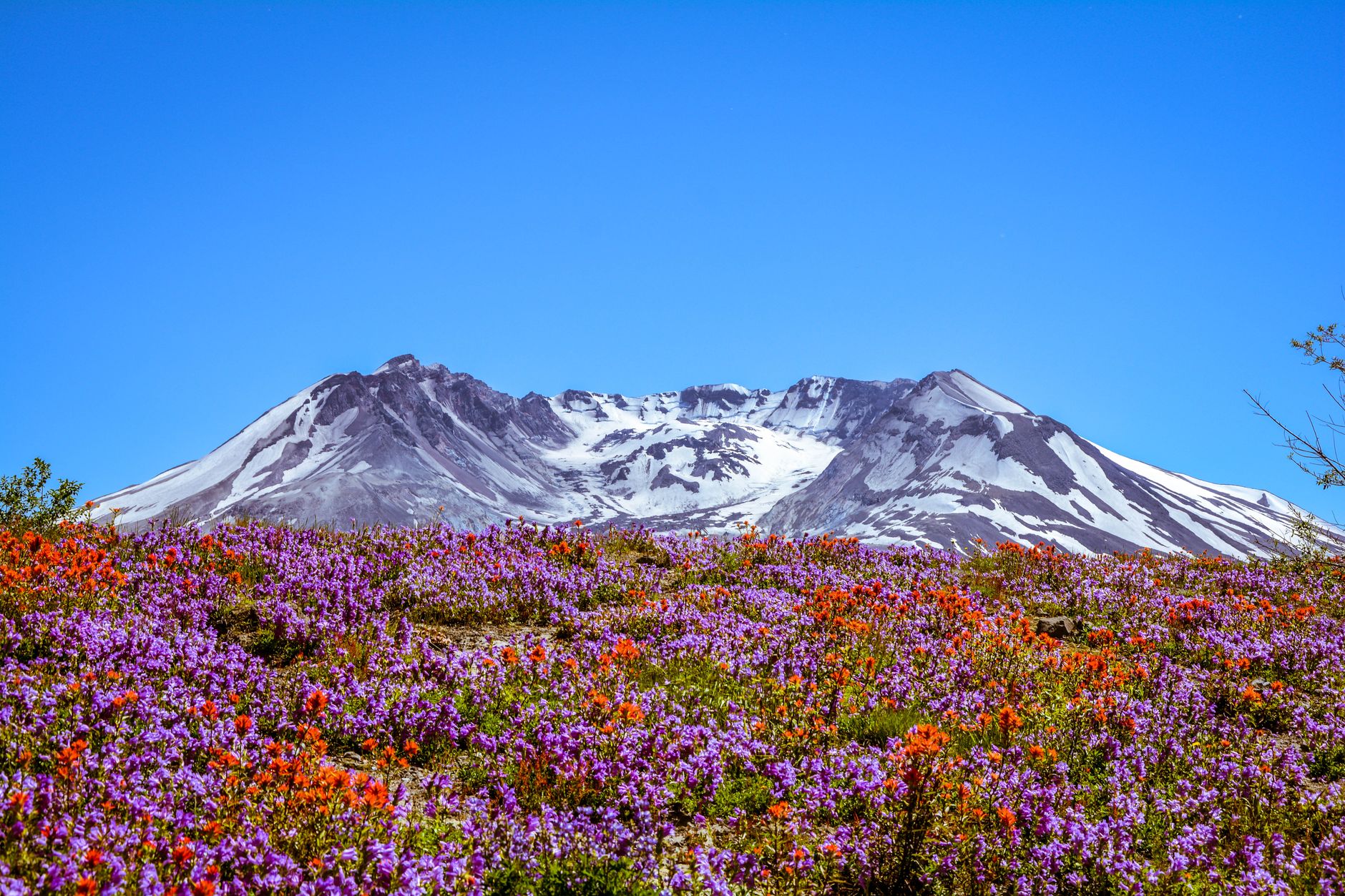
For people living in Tigard, one of the great floral luxuries of the region is that Mount Hood wildflower country is not some far-off fantasy. It is a very real day-trip landscape where forests shift into meadows, snowfields hang on deep into summer, and bloom season rolls uphill in waves. One week you are seeing fresh green openings and early flowers lower down. A little later, the higher country begins doing that classic Hood move where everything suddenly looks alpine, dramatic, and improbably colorful at once.
If you want the short version, here it is: yes, Mount Hood is absolutely one of Oregon’s signature wildflower regions. But what makes it special is not just that flowers exist there. It is that the bloom changes with elevation, snowpack, moisture, slope aspect, forest type, meadow structure, and timing. Hood’s flower season is really a moving conversation between mountain weather and mountain plants.
So if you are wondering what kinds of flowers and plant sights really feel indicative of the Mt. Hood area, when to go, and what makes the mountain’s flora so memorable, here is a practical local guide.
🗓️ First: When Is Mt. Hood Wildflower Season?
The honest answer is: it depends on where you are on the mountain. Mount Hood is a big elevation story. Lower forest and foothill zones can start showing spring bloom relatively early, while the higher meadows and subalpine trails may not really come alive until much later.
In broad terms:
- Late spring to early summer can bring lower-elevation bloom, woodland flowers, and the first meadow openings.
- July into early August is often the classic window for many of the better-known higher-elevation meadow displays.
- Snowpack matters a lot. A big snow year can push the show later, while lighter snow can bring certain areas on earlier.
This is one reason people sometimes visit Mount Hood too early, walk through lingering snow, and conclude that the flowers must have lied to them personally. They did not. The mountain was simply still on mountain time. Around Hood, bloom season is less like a switch and more like a gradual uphill migration.
🌼 The Big Stars: Wildflowers That Really Say “Mount Hood”
Mount Hood has plenty of species worth noticing, but a few groups really help define the visual identity of the place.
Lupine is one of the best-known. In the right meadow setting, broad swaths of blue or violet lupine can create that classic mountain-summer look people hope for. They pair beautifully with green slopes, lingering snowfields, and open sky, which is probably why they end up in so many “yes, this is Oregon” mental postcards.
Indian paintbrush is another signature Hood-country flower. Its red-to-orange bracts bring intense color contrast into meadows and open slopes, especially when mixed with cooler-toned flowers around it. Paintbrush has a way of making a view look more dramatic even when the plant itself is not especially huge.
Avalanche lily is one of the most memorable early alpine and subalpine bloomers in the Cascades. These delicate white flowers often appear near the edges of retreating snowfields or in freshly opened mountain ground. They are one of the clearest reminders that around Hood, flowers often arrive in close conversation with snowmelt.
Beargrass also deserves a special mention. Technically it is not a grass at all, and when it blooms it throws up tall, creamy-white flower stalks that can make entire slopes feel brightened from a distance. A strong beargrass year can make the landscape look almost lightly illuminated in patches, especially where the plants mass together.
Monkeyflower, especially in wetter seeps and stream-adjacent zones, is another plant people often remember once they learn to recognize it. Its bright yellow flowers can light up damp areas and meadow edges in a very cheerful way. On a mountain full of cooler purples, whites, and reds, that yellow really pops.
🌊 Wet Meadows, Seeps, and Snowmelt Zones Are a Huge Part of the Story
One thing that makes Mount Hood especially interesting botanically is that the flower show is not just about dry sunny meadows. Water matters everywhere — from snowmelt trickles to wet flats, little seeps, marshy openings, and stream-fed mountain basins.
These wetter zones can support a very different look from the drier slopes. You may see denser green growth, moisture-loving species, sedges, monkeyflower, valerian, or other bloom that feels softer and more layered than the bold open-meadow displays. In some places, the most memorable plant scene is not a giant flower field but a wet, lush mosaic of bloom, grass, mossy ground, and mountain water running through it.
That is part of what makes Hood country feel like Hood country. It is not just alpine spectacle. It is the mix of forest, snow, wet ground, lava-shaped terrain, and meadow openings all living right next to each other.
🌳 Do Not Ignore the Forest Understory
When people say “Mount Hood wildflowers,” they often picture open high meadows, which is fair. But some of the most characteristic plant sights in the area are actually in the forest understory and woodland transition zones.
Think about the shrubs and companion plants that create the feel of the mountain:
- Huckleberry thickets and understory patches
- False hellebore in lush, wet places
- Valerian in mountain meadows and moist openings
- Heather and low alpine shrub communities in higher country
- Subalpine fir and mountain hemlock framing the upper-elevation bloom zones
These are not all dramatic bouquet flowers, obviously. But they are very much part of the mountain’s botanical personality. A Hood landscape without its huckleberry understories, wet meadow growth, and conifer framing would not really feel like Hood.
🏔️ Meadow Areas That Feel Especially “Mount Hood”
Specific trail and viewing areas vary by year, access, snow, and conditions, but a few kinds of landscapes are especially associated with Hood’s flower reputation.
Paradise Park and the Timberline side are famous for a reason. High meadows, mountain views, lingering snow, and mixed alpine bloom all come together there in a way that feels almost absurdly scenic. If someone says they want the cinematic version of Mount Hood wildflowers, this is the sort of terrain they usually mean.
Mount Hood Meadows area openings can also be excellent in season, especially where ski terrain and mountain meadow ecology intersect. The exact displays vary, but this side of the mountain often gives people a strong sense of Hood’s open, high-country bloom rhythm.
Subalpine trail corridors on the east side and south side can reveal very different personalities depending on exposure, snow persistence, and moisture. Some areas feel lush and flower-rich. Others feel more volcanic, sparse, wind-shaped, and dramatic. Both are part of the mountain’s identity.
Even where the flower show is not maximal, the plant structure itself is often unforgettable: dwarf shrubs, meadow grasses, snowmelt-fed bloom, and those broad mountain spaces where every patch of color feels magnified by the scale of the landscape.
🌋 Hood Country Is Also a Volcanic Plant Story
Mount Hood is not just a pretty mountain. It is a stratovolcano, and its geology shapes the plant experience in visible ways. Volcanic soils, rocky slopes, pumicey areas, and past disturbance patterns all influence what grows where.
That helps explain why some Hood landscapes feel lush and soft while others feel almost stark before blooming in very specific ways. You get plant communities adapted to snow, wind, short growing seasons, and mineral-rich but not always easy ground. In some areas, the beauty comes from abundance. In others, it comes from resilience and contrast.
This is one reason the mountain feels so distinctive compared with lower-valley flower settings. The flora is shaped by altitude and volcano logic, not just by standard Oregon greenery.
🏞️ Interesting Natural Plant Sights Beyond the Wildflower Headlines
If you go to Mount Hood only looking for the biggest flower patch, you may miss some of the region’s most characteristic plant moments.
A few to watch for:
- Mountain heather communities in higher, more exposed areas
- Snowbed plant zones where bloom appears right after melt-out
- Huckleberry and berry understories that define so much mid-elevation mountain ecology
- Beargrass slopes in bloom years
- Wet meadow mosaics full of sedges, grasses, seep plants, and scattered color
- Old forest transitions where conifers, openings, and understory species create a layered Cascadian feel
These are the kinds of plant scenes that make the mountain feel regionally specific. They are not just nice plants. They are part of what tells you where you are.
🕒 Timing Tips for People Coming from Tigard
From Tigard, Mount Hood is close enough to tempt people into impulsive timing. Sometimes that works beautifully. Sometimes it leads to a lot of driving just to discover snowbanks and mud are still very much running the show.
A few practical tips:
- Check recent trip reports, snow conditions, and access notes.
- Remember that higher is later. If one area is not open yet, another lower area may already be blooming.
- Do not assume a photo from last year means the same week will match this year.
- Go with flexible expectations. Sometimes you get peak bloom. Sometimes you get early snowmelt plants and mountain atmosphere. Both can be wonderful.
That flexibility is part of enjoying Hood. The mountain is better when treated like a living landscape rather than a timed floral performance contract.
✨ The Bottom Line: What Really Defines Mt. Hood Wildflower Country?
If you had to sum up Mt. Hood wildflowers in one phrase, it would probably be this: snow-fed mountain bloom layered across meadows, forests, seeps, and volcanic terrain.
Lupine, paintbrush, avalanche lilies, beargrass, monkeyflower, wet meadow species, huckleberry understories, alpine shrub communities, and conifer-framed openings are all part of the picture. The flowers matter, yes, but so does the setting. Around Hood, the magic is in the combination of bloom and mountain structure — the way snow, elevation, forest, water, and geology all help shape what you see.
For anyone in Tigard who loves flowers, native plants, or simply wants a better excuse to get out toward the mountain, Hood country is one of the richest plant experiences in Oregon. It is not just beautiful. It is deeply, unmistakably regional.
And that is probably why people keep going back. One year you catch the lupine. Another year it is the avalanche lilies. Another year the wet meadows steal the show. Mount Hood always seems to have one more bloom story waiting uphill. 🌼