
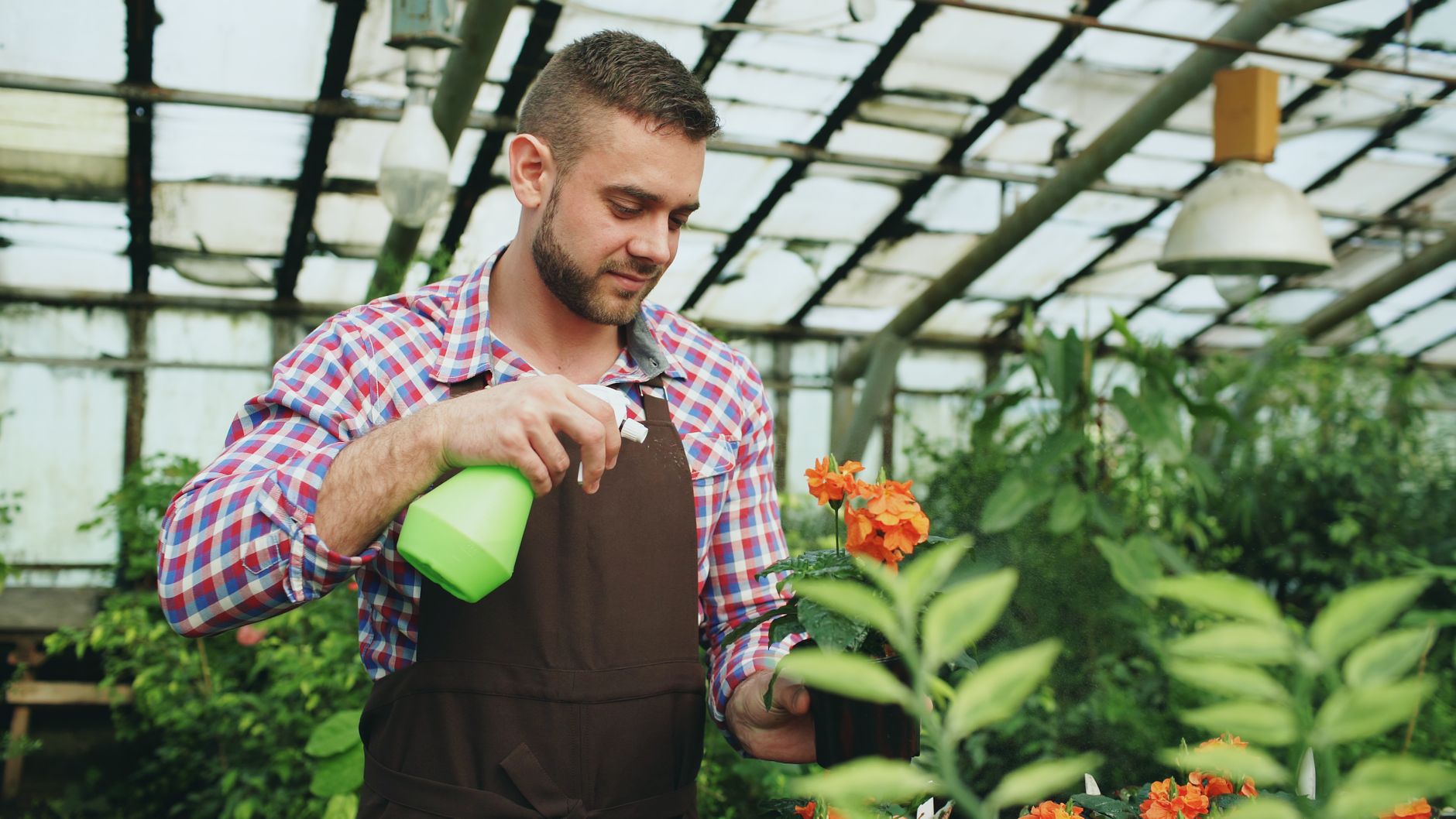
Here’s a question we get more often than you might expect: “Are there pesticides on the flowers you sell?”
It’s a fair question. People think carefully about pesticides on their food. They read labels on cleaning products. They buy organic produce for their kids. But most people have never once thought about what’s on the bouquet sitting on their kitchen table — even though they touch it, smell it, and live next to it for a week.
The short answer: yes, most commercially grown cut flowers have been treated with pesticides at some point during their growing cycle. The longer answer is more nuanced, less alarming than the headlines suggest, and worth understanding.
🌾 Why Growers Use Pesticides
Cut flowers are not food crops, and that distinction matters. Because nobody eats a rose, the regulatory framework for pesticide use on ornamental plants is different — and in many cases, less restrictive — than for fruits and vegetables.
Commercial flower growers use pesticides for practical reasons:
- Insect control: Aphids, thrips, spider mites, and whiteflies can destroy an entire greenhouse crop in days. Insecticides are the primary defense.
- Fungal diseases: Botrytis (gray mold), powdery mildew, and downy mildew thrive in the warm, humid conditions that flowers love. Fungicides prevent crop losses.
- Import requirements: Flowers imported from Colombia, Ecuador, Kenya, and the Netherlands must pass phytosanitary inspections. Any sign of live insects can get an entire shipment rejected at the border, so growers treat aggressively before export.
- Cosmetic standards: Consumers expect perfect petals. A single aphid or a spot of mildew can make a flower unsellable. Pesticides help maintain the visual standard the market demands.
The most commonly used chemicals on cut flowers include synthetic pyrethroids (insecticides), neonicotinoids (systemic insecticides that are absorbed into the plant tissue), organophosphates, and various fungicides. Some of these are restricted or banned for food crops but remain legal for ornamentals.
❓ Are Pesticides on Flowers Dangerous to Recipients?
This is the question people really want answered, so let’s be direct:
For most adults receiving a bouquet, the health risk from pesticide residue on cut flowers is very low. You are not eating the flowers. Your skin contact is brief. The residues are present in small amounts that decrease over time as the chemicals degrade.
That said, there are legitimate concerns:
- Skin sensitivity: Some people — especially those with sensitive skin, eczema, or chemical sensitivities — may experience irritation from handling heavily treated flowers. If you notice itching or redness after arranging flowers, wash your hands and consider wearing gloves next time.
- Children and pets: Small children who touch flowers and then put their hands in their mouths, or pets who chew on stems and leaves, have more potential for exposure. This is worth considering if you have toddlers or curious cats.
- Flower workers: The most significant health concerns are not for recipients but for farm workers who handle treated flowers daily in growing and packing facilities, often in countries with weaker worker-protection regulations. This is a real and documented occupational health issue, particularly in the Colombian and Ecuadorian flower industries.
- Pollinators: Neonicotinoids on cut flowers are not a direct risk to your home, but the widespread use of these chemicals in flower farming is part of the broader neonicotinoid debate affecting bee populations globally.
🌻 What About “Organic” Flowers?
Organic flowers are real, but the market is small compared to organic produce. Here’s what the term means:
USDA Certified Organic flowers are grown without synthetic pesticides, synthetic fertilizers, or genetically modified organisms, on land that has been free of prohibited substances for at least three years. The certification process is the same rigorous standard used for organic food.
The challenge is economics. Organic flower farming has higher labor costs (more hand-weeding, more manual pest management), lower yields, and less cosmetic perfection than conventional growing. Organic roses may have a few more imperfections. Organic dahlias may be slightly smaller. The tradeoff is a cleaner product with a smaller environmental footprint.
Beyond USDA Organic, there are other certifications and practices worth knowing about:
- Veriflora: A certification program specifically for cut flowers and potted plants that covers sustainable growing practices, environmental stewardship, and worker welfare. Fewer farms carry this than USDA Organic, but it’s a strong standard.
- Rainforest Alliance: Common on imported flowers, especially from Latin America. Covers environmental and social criteria, though it allows limited pesticide use under its standards.
- Locally grown: Flowers grown by small, regional farms — especially in Oregon and the Pacific Northwest — often use fewer chemicals than large-scale international operations, even if they are not formally certified organic. The shorter supply chain also means less need for heavy post-harvest treatments.
- IPM (Integrated Pest Management): Many responsible growers use IPM, which combines biological controls (beneficial insects that eat pests), cultural practices (crop rotation, sanitation), and targeted chemical use only as a last resort. IPM-grown flowers are not “organic” but have significantly lower pesticide exposure than conventionally grown imports.
We covered the broader organic flower landscape in our shared blog piece on where to buy organic flowers — it’s a good companion read if you want the national picture.
🏡 Oregon-Grown Flowers and the Pacific Northwest Advantage
Here’s where living in the Portland metro area works in your favor. Oregon is one of the top flower-producing states in the country, and the Willamette Valley’s climate — mild, wet winters and warm, dry summers — is naturally suited to growing a wide range of cut flowers with less chemical intervention than hotter, more pest-heavy climates.
Oregon’s commercial flower farms grow dahlias, lilies, peonies, ranunculus, sweet peas, sunflowers, and dozens of other varieties. Many of these farms use IPM or reduced-spray practices, and some are certified organic. When you buy Oregon-grown flowers, you are getting a product that traveled a shorter distance, was picked more recently, and likely received less post-harvest chemical treatment than flowers flown in from South America or Africa.
The Portland metro area also has excellent access to farmers’ market flower vendors and small farm-direct sellers who can tell you exactly what they did and did not spray.
💐 Does Tigard Florist Sell Organic Flowers?
Yes — just ask.
We can source organic and reduced-pesticide flowers for customers who request them. Not every variety is available organic year-round, and organic options may have a slightly different selection than our standard inventory, but we are happy to work with you on it.
If you want an arrangement made with organic, locally grown, or reduced-pesticide flowers, here’s what to do:
- Let us know when you order. A note in the order comments or a quick call is all it takes.
- Be flexible on varieties. We may not be able to get organic long-stem red roses on short notice, but we can usually put together a beautiful organic-forward arrangement using what’s available from our regional suppliers.
- Plan ahead when possible. A few days’ notice gives us the best chance to source exactly what you want.
We believe in offering choices. Some customers want the classic dozen red roses and don’t think twice about sourcing. Other customers care deeply about what’s on their flowers, and we respect that completely.
💡 Practical Tips for Reducing Pesticide Exposure at Home
Whether or not you buy organic, a few simple habits can reduce your exposure to any residue on cut flowers:
- Wash your hands after handling flowers, especially before touching food or your face.
- Trim stems under running water. This rinses off surface residue and is good for the flowers anyway.
- Keep flowers away from food prep areas if you are concerned about cross-contamination.
- Don’t let small children or pets chew on flowers or leaves. Many common cut flowers are mildly toxic even without pesticides (lilies, for example, are highly toxic to cats).
- Choose locally grown when possible. Shorter supply chain, less time in transit, fewer post-harvest treatments.
🌍 The Bigger Picture
The cut flower industry’s pesticide practices are part of a larger conversation about sustainable agriculture, worker health, and environmental impact. There are no perfect answers, but the trend is moving in the right direction: more farms adopting IPM, more certifications, more consumer awareness, and more demand for transparency.
As a local florist, we sit between the growers and you. Our role is to offer the best flowers we can, to be honest about sourcing when you ask, and to accommodate your preferences whenever possible. If organic or reduced-pesticide flowers matter to you, tell us. We’ll make it happen.
Browse what’s fresh at tigardflorist.com. We deliver same-day across Tigard, King City, Beaverton, Lake Oswego, and the Portland metro area. 🌿🌸