
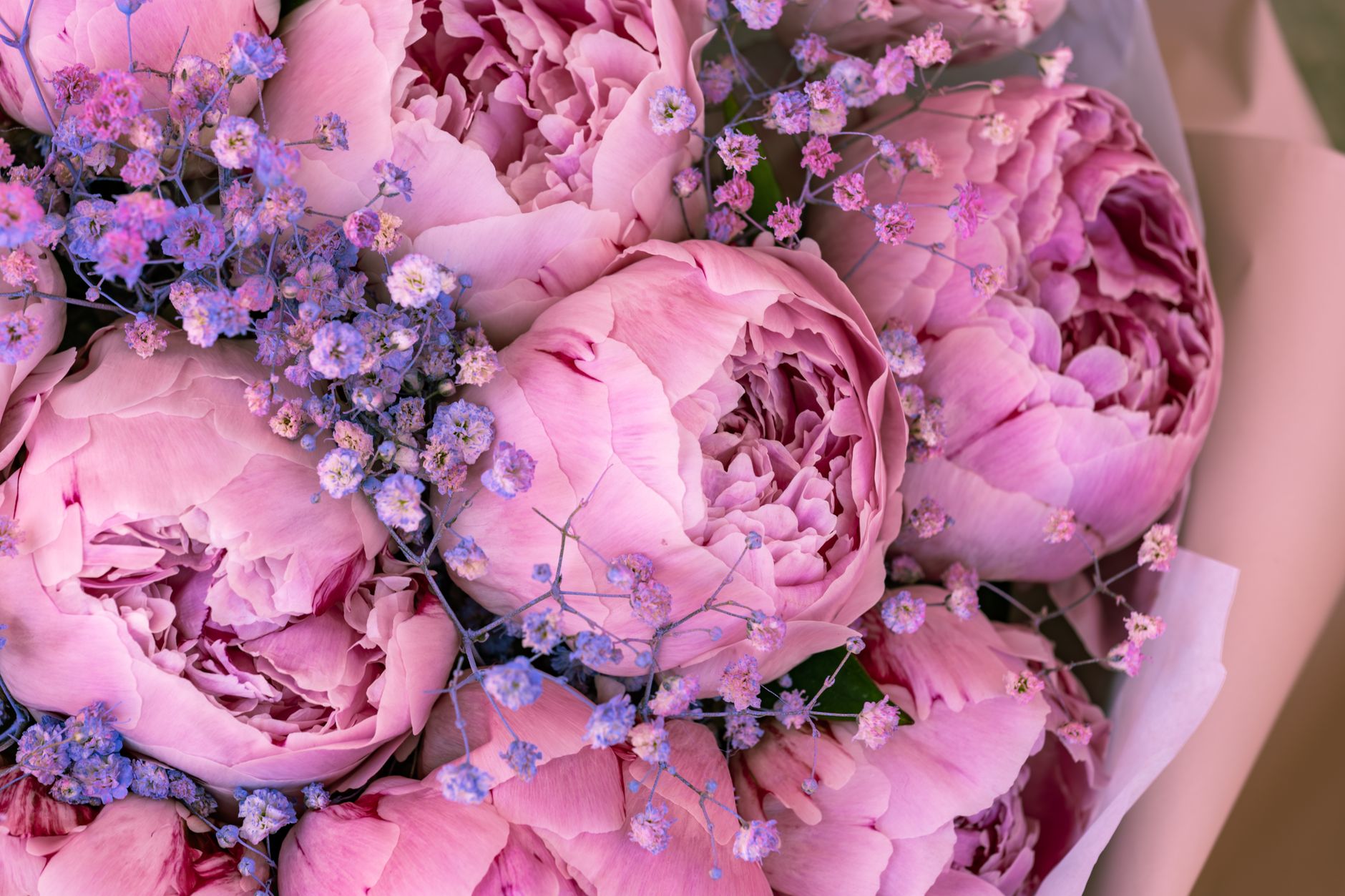
Every florist gets some version of this question: “Wait... why is this arrangement so expensive?” And to be fair, if you are looking at a bouquet that costs more than dinner for two, the question is reasonable.
The short answer is that flowers are a weird product. They are grown like agriculture, sold like fashion, shipped like produce, designed like art, and they die on a deadline. Which means price is never just about “how pretty it looks.” It is about what the stem cost, when it was grown, where it came from, how easily it bruises, how much labor it took to design, and whether half the country is trying to buy the same flower for the same weekend.
🌿 First: The Stem Itself Might Actually Be Expensive
Some flowers simply cost more at wholesale. Garden roses, peonies, ranunculus, anemones, phalaenopsis orchids, and certain premium tulips are not cheap for florists to buy in the first place. They are more delicate, more seasonal, harder to transport, or more limited in supply than everyday workhorses like carnations, alstroemeria, chrysanthemums, or standard daisies.
If a florist pays significantly more per stem, the finished arrangement will reflect that. This is not mark-up magic. This is math.
📅 Seasonality Changes Everything
Peonies are the easiest example. When they are in peak season, they are still premium flowers — but they are at least broadly available. Outside their natural season, they become a luxury import item that feels vaguely illegal to request with a straight face.
The same thing happens with other high-demand flowers. When you want a bloom outside its natural window, a florist has to source it from farther away, from a smaller pool of growers, often with more waste risk and less flexibility. You are paying not only for the flower, but for the effort required to get that flower to exist in your arrangement at all.
🚚 Shipping and Handling Matter More Than Most People Realize
Flowers are perishable, temperature-sensitive, crushable, and surprisingly dramatic. They cannot be tossed into the back of a truck like throw pillows. They need controlled conditions, careful packing, hydration, and fast movement through the supply chain. Imported flowers, in particular, may travel by refrigerated truck, cargo plane, wholesaler cooler, florist cooler, and then final delivery van before they reach your table.
Every one of those steps costs money. And the more delicate the flower, the more that cost matters.
🧰 Labor Is a Bigger Part of the Price Than People Think
Customers often look at an arrangement and count stems. Florists look at the design and count time. Premium flowers usually take more handling, more wiring, more support, more selective placement, and more replacement when a stem arrives imperfect. Bigger designs also take real mechanics: clean lines, balanced proportions, hidden support, careful spacing, and enough restraint not to let the whole thing turn into a botanical traffic jam.
This is especially true for arrangements that look “effortless.” The more natural and expensive a design looks, the more likely it took actual skill to make it look that way.
🚨 Holidays Create Price Spikes
Valentine’s Day and Mother’s Day do not just increase customer demand. They increase wholesale demand too. Roses around Valentine’s Day are the classic example. A flower that is reasonably priced in mid-January can become dramatically more expensive by February 12 simply because the entire market is competing for the same crop.
That does not mean florists are trying to be sneaky. It means the raw materials got more expensive before the design even started.
💥 Fragile Flowers Usually Cost More Than Tough Ones
A flower that bruises easily, opens unpredictably, or drops petals if you look at it wrong carries more risk. More risk means more waste. More waste means a higher effective cost for the usable stems that make it into arrangements.
That is part of why some premium blooms are expensive even when they are not especially rare. They are just more temperamental. And temperamental products are never cheap.
✨ What Actually Makes an Arrangement Look Expensive?
Here is the useful secret: an arrangement does not need the most expensive stems in the shop to look expensive. It needs good proportion, strong color editing, movement, texture contrast, and one or two focal flowers that carry the visual weight.
A florist can often create a far more luxurious look by mixing a few premium flowers with excellent supporting flowers than by stuffing an arrangement full of costly stems with no design discipline. A little restraint goes a long way. We will get deeper into the design side in the next post, but the basic principle is simple: smart composition beats brute-force price.
💵 Flowers That Are Usually Worth the Splurge
- Peonies when they are in season and actually good
- Garden roses for fragrance, shape, and that layered, romantic look
- Ranunculus for detail and texture in spring
- Phalaenopsis orchids when the design calls for elegance and line
- High-end tulips in a modern design where their shape does real work
🛒 Flowers That Can Give You Luxury Without the Highest Price
- Stock for fragrance and volume
- Lisianthus for softness and a premium feel without peony pricing
- Hydrangea for fullness and structure
- Snapdragons for height and movement
- Carnations when used well — yes, really
Used thoughtfully, these can make an arrangement feel lush, polished, and generous without requiring a luxury-level budget. And yes, carnations still get slandered far beyond what they deserve. Their publicist has failed them.
🤔 So What Are You Actually Paying For?
Usually some combination of:
- The flower itself
- The season you chose
- The distance it traveled
- The risk of waste
- The designer’s time and skill
- The timing of your order (holiday versus normal week)
And sometimes you are also paying for the fact that the arrangement needs to look genuinely impressive in a large room, on a formal table, or at a moment that matters. Flowers are not just product. They are performance.
🌸 The Practical Florist Take
If you want flowers that feel luxurious, tell your florist the feeling you want and the budget you actually have. A good florist can often steer you toward the right materials, the right scale, and the right design style faster than you can by shopping by stem count alone.
And if you have ever wondered why one arrangement is $75 and another is $175, now you know: it is not just prettier flowers. It is supply chain, seasonality, labor, fragility, demand, and design all stacked together in a vase.
If you want the companion piece to this question, we wrote it next: why some flowers last longer than others. Because paying more and getting longer vase life are related... but not always in the way people think. 💸🌸