
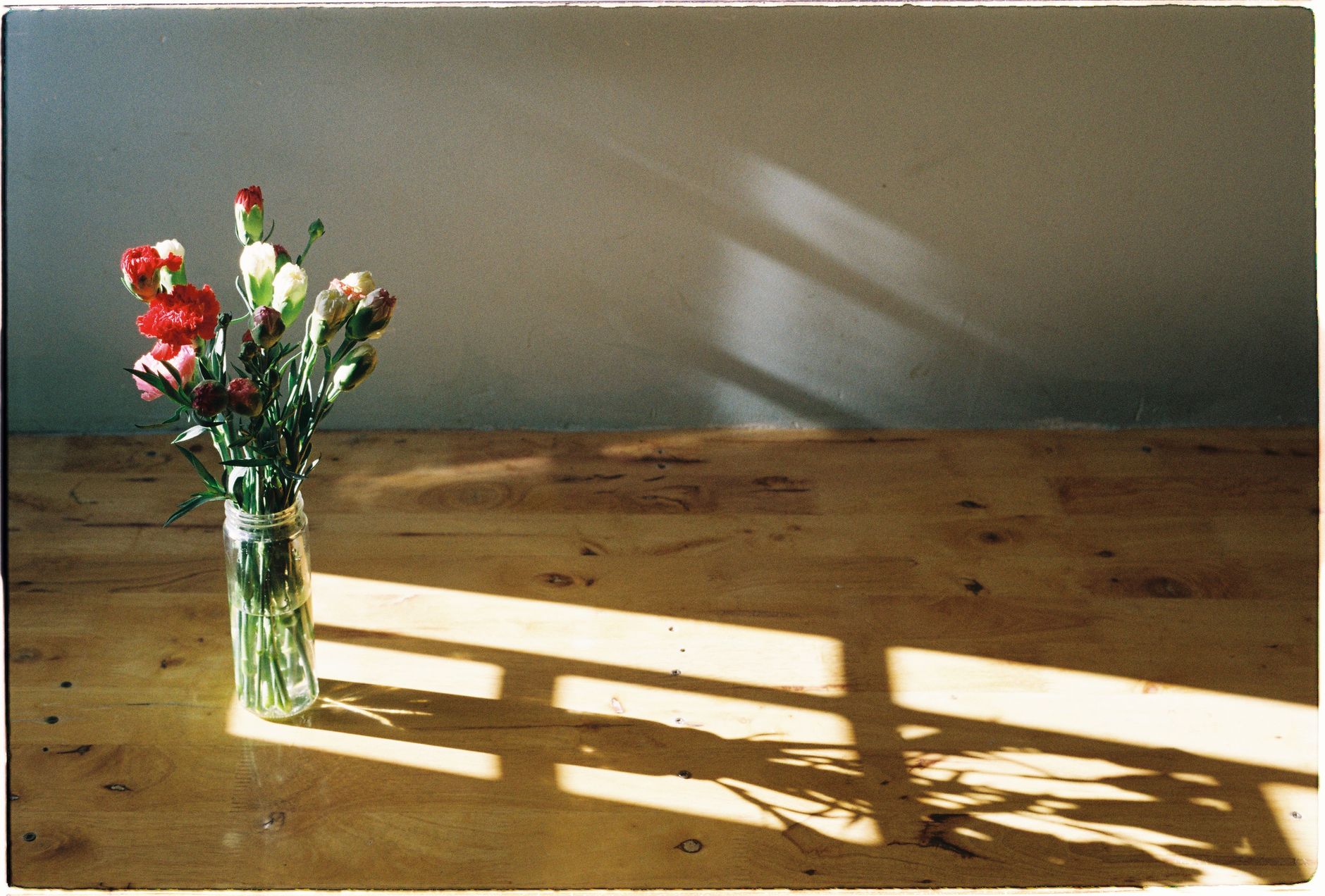
The winter solstice arrives this year on Monday, December 21, at about 20:50 UTC, which is around 12:50 p.m. on the Pacific coast and 3:50 p.m. on the East coast. It marks the moment the Northern Hemisphere is tilted farthest from the sun, and it gives us the fewest hours of daylight of the year. How few depends enormously on where you live.
🌍 Why the Days Get Short
It is a common guess that winter happens because the Earth is farther from the sun. It is not. Earth is actually closest to the sun in early January. Seasons come from the tilt of Earth’s axis, about 23.4 degrees. In December the northern half of the planet leans away from the sun, so sunlight arrives at a lower angle and the sun spends less time above the horizon. The farther north you are, the bigger the effect.
📍 Daylight on the Shortest Day, From North to South
Here are rough daylight totals for ten North American cities on the solstice, from sunrise to sunset. Local terrain, elevation and the exact definition of sunrise can move each of these by a few minutes.
- Fairbanks, Alaska: about 3 hours 41 minutes
- Anchorage, Alaska: about 5 hours 27 minutes
- Seattle, Washington: about 8 hours 25 minutes
- Portland, Oregon: about 8 hours 42 minutes
- Eugene, Oregon: about 8 hours 53 minutes
- Toronto, Ontario: about 8 hours 56 minutes
- New York, New York: about 9 hours 15 minutes
- San Francisco, California: about 9 hours 33 minutes
- Miami, Florida: about 10 hours 32 minutes
- Mexico City, Mexico: about 10 hours 57 minutes
The gap between the top and the bottom of that list is enormous. Fairbanks gets about a third of the daylight Mexico City does. Farther north, in Utqiagvik, Alaska, the sun does not rise at all for roughly two months around the solstice.
🔄 The Swing Between Seasons
The same cities swing hard the other way in June. Anchorage, which gets under five and a half hours of daylight in December, has more than 19 hours of it at the summer solstice. Eugene goes from under nine hours to about 15 and a half. Mexico City barely moves, from about eleven hours to about thirteen. Near the equator the seasons are about rainfall more than light. Near the Arctic they are about light more than anything else. Our guide to the summer solstice shows the other side of the year.
🌅 The Part That Surprises People
The earliest sunset of the year does not fall on the solstice. In much of the continental United States it comes roughly two weeks earlier, in the first half of December. The latest sunrise comes after the solstice, in early January. The shortest day lands in between, because the sun’s timing against our clocks drifts through the year, which astronomers call the equation of time. The result is that the dark evenings start to brighten a little before the dark mornings do.
After the solstice, the days are slow to grow at first, by seconds at a time. By the end of January the gains are noticeable, and by March they are fast.
🕯️ How People Have Marked the Day
- Yule and evergreens. Many European traditions brought greenery indoors at midwinter as a sign that life would return.
- Dongzhi. A winter solstice festival in East Asia, marked with family meals.
- Saint Lucia Day. On December 13, Scandinavian households celebrate light with candles and processions.
- Candles and lights in nearly every winter holiday, which says something about how much we want light in the dark months.
🌷 Bringing Light Indoors With Flowers
If the short days wear on you, flowers are a small, useful way to brighten a room. A few ideas for the darkest weeks:
- Go for warm colors. Yellow, orange and cream flowers read as sunlight on a gray afternoon.
- Grow something you can watch. Paperwhites and amaryllis bloom indoors in weeks. Our bulb-forcing schedule shows how.
- Put flowers where you will see them, such as a kitchen table or a desk by the window.
- Add a candle. Our guide to flowers by candlelight explains how flowers look and smell in the evening.
- Mind the heat. Dry indoor air shortens a bouquet’s life, and our winter care guide shows how to fight it.
- Choose greens and berries. Our holiday flowers and greens guide covers what is safe around pets.
None of this replaces real daylight. If the dark months really affect your mood, a walk outside at midday helps, and it is worth talking with a doctor if the feeling is heavy or lasts. Flowers are just a good addition.
🌹 A Small Gift for the Shortest Day
The solstice is a nice excuse to send something to a friend who lives somewhere dark. A bouquet in warm colors, or a potted plant that will last past January, says that the days are about to get longer. You can browse our arrangements, or see our Christmas and holiday gifts. After December 21, the sun starts coming back.